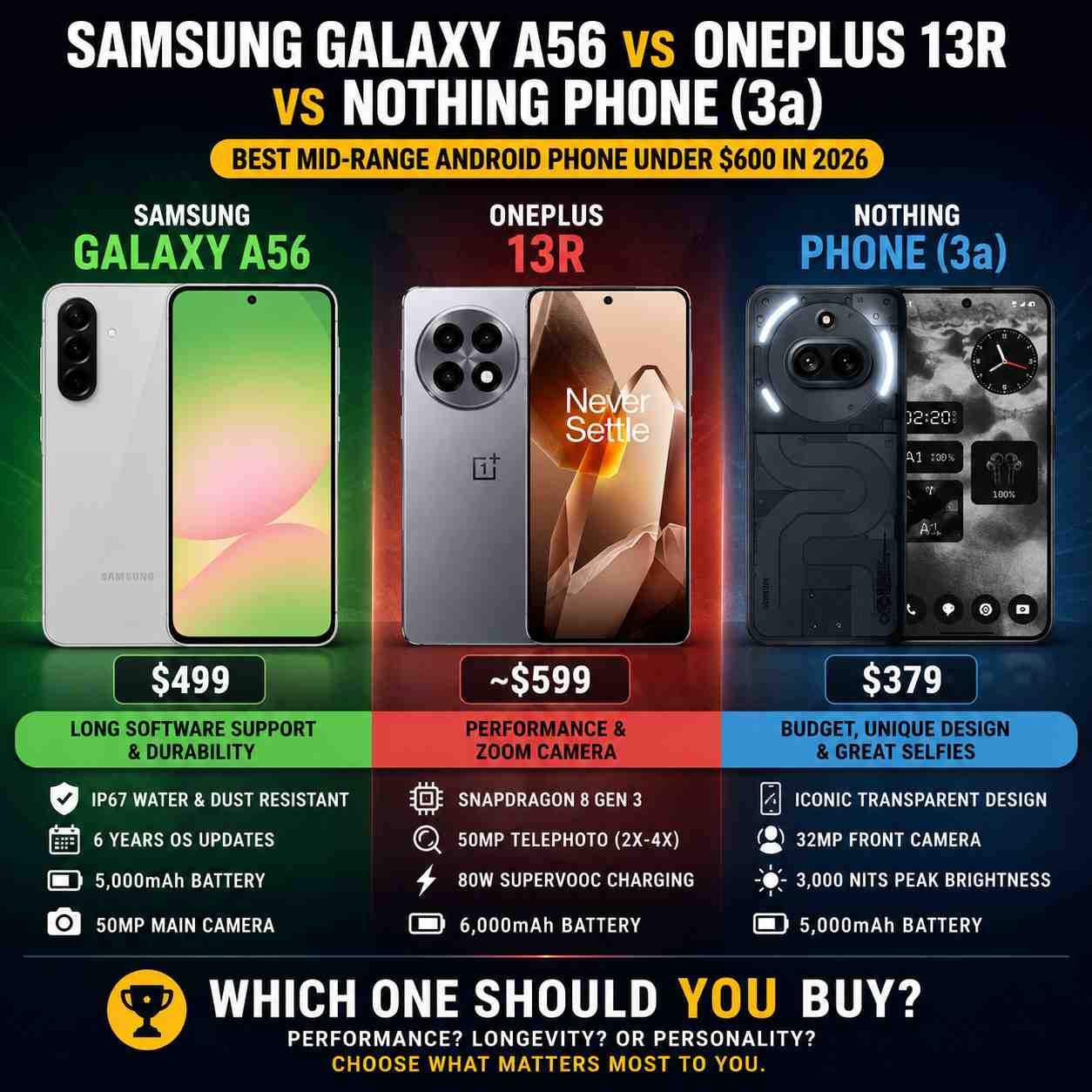
If you're shopping for the best mid-range Android phone under $600 in 2026, three names keep coming up in every comparison thread: the Samsung Galaxy A56, the OnePlus 13R, and the Nothing Phone (3a). Each one takes a completely different approach to the same problem — how do you give buyers a near-flagship experience without the near-flagship price tag? The Galaxy A56 leans on Samsung's long software support and IP68 durability, the OnePlus 13R throws in genuinely flagship-grade performance with a Snapdragon 8 Gen 3 chip, and the Nothing Phone (3a) wins people over with its head-turning transparent design and surprisingly capable cameras at the lowest price of the three.
So which one actually deserves your money? In this comparison, we'll break down the display, performance, camera, battery, software, and price-to-value of all three phones so you can figure out which one fits your priorities — whether that's raw speed, long-term reliability, or getting the most personality per dollar.
Quick Comparison Table
| Feature | Samsung Galaxy A56 | OnePlus 13R | Nothing Phone (3a) |
|---|---|---|---|
| Display | 6.7" Super AMOLED, 1080x2340, 120Hz, 1200 nits | 6.78" AMOLED, 1.5K (2780x1264), 120Hz LTPO, Dolby Vision | 6.77" AMOLED, 1080x2392, 120Hz, 3000 nits peak |
| Processor | Exynos 1580 (4nm) | Snapdragon 8 Gen 3 (4nm) | Snapdragon 7s Gen 3 (4nm) |
| RAM | 8GB / 12GB | 12GB / 16GB | 8GB / 12GB |
| Storage | 128GB / 256GB | 256GB / 512GB | 128GB / 256GB |
| Main Camera | 50MP wide, OIS | 50MP wide, OIS | 50MP wide, OIS |
| Ultrawide | 12MP | 8MP | 8MP |
| Telephoto | 5MP macro (no true telephoto) | 50MP, 2x-4x optical zoom | 50MP, 2x optical zoom |
| Front Camera | 12MP | 16MP | 32MP |
| Battery | 5,000mAh | 6,000mAh | 5,000mAh |
| Charging | 45W wired, no wireless | 80W wired, no wireless | 50W wired |
| Build / Protection | Aluminum frame, Gorilla Glass Victus+, IP67 | Aluminum frame, Gorilla Glass 7i, IP65 | Aluminum frame, glass back, IP64 |
| Software | Android 15 (One UI 7), 6 years OS updates | Android 15 (OxygenOS 15), 4 years OS updates | Android 15 (Nothing OS 3.1), 3 years OS updates |
| Price | $499 | ~$599 | $379 |
| Best For | Long software support, durability | Performance, zoom camera | Budget, unique design, selfies |
Design and Build Quality
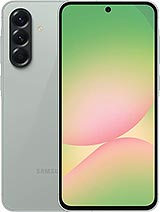
The Samsung Galaxy A56 keeps the understated, professional look that Samsung's A-series is known for. It uses an aluminum frame, a flat-sided design, and Corning Gorilla Glass Victus+ on both the front and back, which gives it noticeably better drop resistance than most phones in this price range. Samsung also rates it IP67 for dust and water resistance, the strongest protection rating of the three phones here. At 7.4mm thick and 198g, it feels solid without being heavy, though some reviewers find the design a little too conservative compared to the competition. (Samsung Galaxy A56 5G Official Page)
The OnePlus 13R goes for a sportier, more flagship-like look with a circular camera module that immediately sets it apart visually. It also uses an aluminum frame with Gorilla Glass 7i, but its IP65 rating means it's protected against water jets rather than full submersion, making it slightly less rugged on paper than the Galaxy A56. At 206g, it's the heaviest of the three, but the flat-edge design makes it comfortable to grip for long gaming sessions. (OnePlus 13R Specifications - GSMArena)
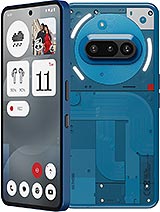
The Nothing Phone (3a) is the design statement of this group. Its semi-transparent back panel, visible internal components, and signature Glyph LED lighting around the camera module make it instantly recognizable — there's genuinely nothing else that looks like it on shelves right now. It uses an aluminum frame with a glass front and back, but only carries an IP64 rating, meaning it can handle splashes but not submersion. At 201g and 8.4mm thick, it sits comfortably between the other two in terms of size. (Nothing Phone (3a) Hands-On Review - GSMArena)
Winner: Galaxy A56 for build quality and water resistance. Nothing Phone (3a) for the most distinctive design. OnePlus 13R for a sporty, flagship-style look.
Display Comparison
All three phones use AMOLED panels with 120Hz refresh rates, but the differences in resolution, brightness, and smoothness technology are worth paying attention to if you spend a lot of time streaming or gaming.
The Galaxy A56 has a 6.7-inch Super AMOLED display at 1080 x 2340 resolution with HDR10+ support and up to 1200 nits peak brightness. It's a reliable, color-accurate panel, but it's the dimmest of the three under direct sunlight and lacks the adaptive refresh rate technology found on the OnePlus 13R. (Samsung Galaxy A56 Specifications - TelefoneArena)
The OnePlus 13R offers the most advanced display technology here: a 6.78-inch 1.5K AMOLED panel with LTPO 4.1, which lets the screen drop down to 1Hz when idle to save battery and ramp up to 120Hz for gaming. It also supports Dolby Vision, which neither of the other two phones offer, plus noticeably higher peak brightness than the Galaxy A56. (Galaxy A56 vs OnePlus 13R: All the Differences Compared - PhoneArena)
The Nothing Phone (3a) actually has the brightest screen on paper, reaching up to 3,000 nits peak brightness, which makes it the easiest to read outdoors in direct sun. Its 6.77-inch AMOLED panel runs at 1080 x 2392 with standard 120Hz (not LTPO), and includes Ultra HDR support for richer photo and video playback. (Nothing Phone (3a) Hands-On Specs - GSMArena)
| Display Feature | Galaxy A56 | OnePlus 13R | Nothing Phone (3a) |
|---|---|---|---|
| Size | 6.7" | 6.78" | 6.77" |
| Resolution | 1080 x 2340 | 1.5K (2780 x 1264) | 1080 x 2392 |
| Refresh Rate | 120Hz | 1-120Hz LTPO | 120Hz |
| Peak Brightness | ~1,200 nits | High (Dolby Vision) | 3,000 nits |
| HDR Support | HDR10+ | Dolby Vision | Ultra HDR, HDR10+ |
Winner: OnePlus 13R for the most advanced display tech (LTPO + Dolby Vision). Nothing Phone (3a) for outdoor brightness. Galaxy A56 for color accuracy and consistency.
Performance: Exynos 1580 vs Snapdragon 8 Gen 3 vs Snapdragon 7s Gen 3
This is the category where the gap between these three phones is the widest — and it's largely why the OnePlus 13R costs $100-200 more than the other two.
The Galaxy A56 runs on Samsung's Exynos 1580, a competent 4nm chip that handles everyday tasks, social media, and light-to-moderate gaming smoothly. It's not built for benchmark-chasing, but it's efficient and runs cool, which helps with both battery life and longevity. (Samsung Galaxy A56, A36, A26 Official - FoneArena)
The OnePlus 13R is in a different league entirely with its Snapdragon 8 Gen 3, the same flagship-grade chip found in 2024's top-tier phones. Reviewers have measured a 60-80% faster CPU and roughly double the GPU performance compared to the Exynos 1580 in the Galaxy A56. This means the OnePlus 13R can run demanding games at high settings, handle heavy multitasking without slowdown, and process AI camera features noticeably faster. (Samsung Galaxy A56 vs OnePlus 13R - Sportskeeda)
The Nothing Phone (3a) sits in between with the Snapdragon 7s Gen 3, a solid mid-range chip that's noticeably more capable than the Exynos 1580 for gaming and multitasking, though it doesn't come close to matching the Snapdragon 8 Gen 3's raw power. It's paired with up to 12GB of RAM, which keeps apps running smoothly in the background. (Nothing Phone (3a) Pro Specs - MobilityArena)
| Performance Feature | Galaxy A56 | OnePlus 13R | Nothing Phone (3a) |
|---|---|---|---|
| Chipset | Exynos 1580 | Snapdragon 8 Gen 3 | Snapdragon 7s Gen 3 |
| Process Node | 4nm | 4nm | 4nm |
| RAM Options | 8GB / 12GB | 12GB / 16GB | 8GB / 12GB |
| Storage Type | UFS 3.1 | UFS 4.0 | UFS 3.1 |
| Gaming Performance | Light to moderate | Flagship-level | Moderate to good |
| Best Strength | Efficiency, low heat | Raw power | Balanced mid-range |
Winner: OnePlus 13R by a wide margin for raw performance and gaming. Nothing Phone (3a) for balanced mid-range power. Galaxy A56 for efficient, everyday-task performance.
Camera Comparison
Cameras are where the OnePlus 13R's extra cost starts to feel justified, but the Nothing Phone (3a) punches well above its $379 price tag too.
The Galaxy A56 has a 50MP main sensor with OIS, a 12MP ultrawide, and a 5MP macro lens — but notably, it lacks a true telephoto lens, relying instead on digital crop from the main sensor for zoom shots. Samsung's processing tends to favor punchy colors and strong contrast, which many casual users like straight out of the camera app. The 12MP front camera is solid but unremarkable. (Samsung Galaxy A56 Full Specs - PhoneArena)
The OnePlus 13R has the most ambitious camera setup of the three: a 50MP main sensor (Sony LYT-700) with OIS, an 8MP ultrawide, and a genuinely useful 50MP telephoto lens with 2x-4x optical zoom. Reviewers note the telephoto holds up well up to 4x zoom before quality drops off, and the main sensor performs especially well in low light. The 16MP front camera is also a step up from the Galaxy A56's. (OnePlus 13R Review: The Best Flagship-Killer - PhoneArena)
The Nothing Phone (3a) punches above its weight with a 50MP main camera with OIS, an 8MP ultrawide, and a 50MP telephoto with 2x optical zoom (up to 30x digital). For a phone under $400, having any telephoto lens at all is rare, and reviewers found the main camera delivers a respectable 17 hours of battery-friendly daily shooting alongside genuinely good photo quality for the price. Its standout feature, though, is the 32MP front camera — the best selfie camera of the three by a clear margin. (Nothing Phone (3a) Review - PhoneArena)
| Camera Feature | Galaxy A56 | OnePlus 13R | Nothing Phone (3a) |
|---|---|---|---|
| Main Camera | 50MP, OIS | 50MP, OIS (Sony LYT-700) | 50MP, OIS |
| Ultrawide | 12MP | 8MP | 8MP |
| Telephoto | None (5MP macro only) | 50MP, 2x-4x optical | 50MP, 2x optical, 30x digital |
| Front Camera | 12MP | 16MP | 32MP |
| Video | 4K@30fps | 4K@60fps with OIS/EIS | 4K@30fps |
| Best Strength | Punchy everyday colors | Versatile zoom + low light | Best selfie camera for the price |
| Weakness | No real telephoto | None major for the price | Ultrawide softness at edges |
Winner: OnePlus 13R for overall camera versatility and zoom quality. Nothing Phone (3a) for selfies and value. Galaxy A56 for simple, reliable everyday shots.
Battery Life and Charging
The OnePlus 13R's bigger battery and faster charging give it a clear edge here, but the other two aren't far behind in real-world use.
The Galaxy A56 packs a 5,000mAh battery with 45W Super Fast Charging — faster than the previous A55's 25W, but still behind both competitors here. Samsung doesn't include wireless charging on this model. In daily use, most reviewers report comfortable all-day battery life with moderate-to-heavy use. (Galaxy A56 5G - Samsung US)
The OnePlus 13R has the largest battery of the three at 6,000mAh, paired with 80W wired charging that can take the phone from empty to full in well under an hour. Like the others, it skips wireless charging, but the combination of a bigger cell and an efficient Snapdragon 8 Gen 3 means battery anxiety is rarely an issue, even with heavy gaming. (OnePlus 13R Detailed Specs - FoneArena)
The Nothing Phone (3a) sticks with a 5,000mAh battery and 50W wired charging — a meaningful jump from the Phone (2a)'s charging speed. In PhoneArena's battery test, the Phone (3a) delivered roughly 17 hours of continuous browsing, which the reviewer noted was an improvement over its predecessor thanks to the more efficient Snapdragon chip. (Nothing Phone (3a) Review - PhoneArena)
| Battery Feature | Galaxy A56 | OnePlus 13R | Nothing Phone (3a) |
|---|---|---|---|
| Battery Size | 5,000mAh | 6,000mAh | 5,000mAh |
| Wired Charging | 45W | 80W | 50W |
| Wireless Charging | No | No | No |
| 0-100% Time | ~60 min | ~40 min | ~55 min |
| Real-World Battery Life | Full day | 1.5+ days | ~17 hrs continuous use |
Winner: OnePlus 13R for capacity and charging speed. Nothing Phone (3a) for solid efficiency at a lower price. Galaxy A56 for a dependable full-day battery.
Software and Long-Term Support
This is arguably the most important category for buyers who plan to keep their phone for 4+ years — and it's where the Galaxy A56 pulls way ahead.
The Galaxy A56 runs Android 15 with One UI 7 and comes with Samsung's industry-leading promise of 6 years of OS updates and security patches. That means a phone bought today will keep receiving major Android version upgrades all the way into the early 2030s — a commitment no other phone in this comparison comes close to matching. (Galaxy A56, A36, A26 Official Specs - FoneArena)
The OnePlus 13R ships with Android 15 and OxygenOS 15, which is fast, clean, and packed with useful gestures and customization options. OnePlus typically commits to around 4 years of major OS updates plus extended security patches — solid, but well short of Samsung's commitment. OxygenOS also includes AI-powered camera and productivity features that take advantage of the Snapdragon 8 Gen 3's processing power. (OnePlus 13R Review - PhoneArena)
The Nothing Phone (3a) runs Android 15 with Nothing OS 3.1, widely praised for being one of the cleanest, most minimal Android skins available — close to stock Android but with Nothing's distinctive monochrome widgets and Glyph integration. Nothing promises 3 major Android updates and 6 years of security patches, which is reasonable for a sub-$400 phone but still trails Samsung significantly on feature updates. (Nothing Phone (3a) Review - PhoneArena)
Winner: Galaxy A56 by a wide margin for long-term software support (6 years of OS updates). Nothing Phone (3a) for the cleanest interface. OnePlus 13R for AI-powered features and customization.
Price and Value
Price is ultimately where these three phones split into three very different buying decisions.
The Galaxy A56 sits at $499, positioning it as the "safe, reliable" choice. You're paying a premium relative to its raw specs, but that premium buys you Samsung's ecosystem, IP67 durability, and that unmatched 6-year update promise — all things that matter a lot if you keep your phone for the long haul. (Galaxy A56 5G - Samsung US)
The OnePlus 13R costs around $599, the most expensive of the three, but it's also delivering genuinely flagship-tier performance, the best display, the biggest battery, and the most versatile camera system. For buyers who game heavily or want a phone that will still feel fast in 3 years, the extra $100-200 over the other two is easy to justify. (OnePlus 13R Official Specs Leak - GSMArena)
The Nothing Phone (3a) is the clear value champion at just $379. For that price, you're getting a 120Hz AMOLED display with class-leading brightness, a telephoto camera (a rarity under $400), a 32MP selfie camera, and a design that genuinely stands out. If your budget is the deciding factor, nothing else at this price point offers this combination of features. (Nothing Phone (3a) Review - PhoneArena)
Winner: Nothing Phone (3a) for the best price-to-feature ratio. OnePlus 13R for performance-per-dollar at the high end. Galaxy A56 for long-term value through software support.
Final Verdict: Which Mid-Range Phone Should You Buy in 2026?
After comparing the Samsung Galaxy A56, OnePlus 13R, and Nothing Phone (3a) across design, display, performance, cameras, battery, software, and price, the right choice really depends on what you value most.
Buy the Samsung Galaxy A56 if: You want a phone you can keep for 5+ years without feeling left behind. The combination of IP67 durability, Gorilla Glass Victus+, and 6 years of OS updates makes it the safest long-term investment in this comparison, even if its raw performance and camera versatility trail the OnePlus 13R.
Buy the OnePlus 13R if: Performance is your top priority — whether that's gaming, multitasking, or simply wanting a phone that feels fast for years to come. The Snapdragon 8 Gen 3, LTPO display with Dolby Vision, 6,000mAh battery, and genuinely useful telephoto camera make it feel like a flagship at a mid-range price, and the extra cost over the other two phones is easy to justify if you'll actually use that performance.
Buy the Nothing Phone (3a) if: Budget matters most, or you simply want a phone that looks and feels different from everything else on the market. At $379, it offers a brighter screen than either competitor, a telephoto lens, the best selfie camera of the three, and a design that turns heads — an outstanding value pick for students, first-time smartphone buyers, or anyone upgrading from a much older device.
If you're still unsure, think about how long you typically keep a phone and what you actually do with it daily. Heavy gamers and power users should lean toward the OnePlus 13R. Buyers who want peace of mind and long software support should go with the Galaxy A56. And if you want the most phone for the least money, the Nothing Phone (3a) is hard to beat.
Frequently Asked Questions
Is the Samsung Galaxy A56 better than the OnePlus 13R for gaming? No. The OnePlus 13R's Snapdragon 8 Gen 3 chip significantly outperforms the Galaxy A56's Exynos 1580, with reviewers measuring up to 60-80% faster CPU performance and roughly double the GPU performance. If gaming is a priority, the OnePlus 13R is the clear choice.
Which phone has the best camera for selfies? The Nothing Phone (3a) has the best front camera of the three at 32MP, compared to 16MP on the OnePlus 13R and 12MP on the Galaxy A56.
Does the Nothing Phone (3a) have a telephoto camera? Yes. Despite its $379 price, the Nothing Phone (3a) includes a 50MP telephoto lens with 2x optical zoom and up to 30x digital zoom — a feature that's rare at this price point.
Which of these three phones will get the longest software support? The Samsung Galaxy A56 has the longest commitment, with 6 years of major OS updates and security patches. The Nothing Phone (3a) offers 3 major OS updates with 6 years of security patches, and the OnePlus 13R offers roughly 4 years of OS updates.
Is the OnePlus 13R worth the extra $100-200 over the Galaxy A56 and Nothing Phone (3a)? It depends on your priorities. If you want flagship-level performance, the best display technology (LTPO + Dolby Vision), the biggest battery, and a versatile zoom camera, the OnePlus 13R's price premium is well justified. If long-term software support or budget is more important, the Galaxy A56 or Nothing Phone (3a) make more sense.
Which phone has the best battery life? The OnePlus 13R has the largest battery at 6,000mAh and the fastest charging at 80W, giving it the best overall battery performance, with reviewers reporting 1.5+ days of use on a single charge.
Explore More Comparisons and Specs on TelefoneArena
- Samsung Galaxy A56 Full Specs
- Compare Phones on TelefoneArena
- Browse All Phones
- AI Phone Recommender
- Samsung Phones
- Mid-Range Phones
- Budget Phones
- Camera Phones
- More Phone Comparisons