Quick Answer: The best all-round phone for most students in 2026 is the Google Pixel 10a at $449 — it combines clean Android software, a 120Hz OLED display, reliable camera, and seven years of guaranteed OS updates in a compact body. Students on tighter budgets should look at the Motorola Moto G Power (2026) for its outstanding all-day battery. iPhone users in an Apple ecosystem will find the Samsung Galaxy S26 a compelling Android counterpart. Use the TelefoneArena AI Recommender if you want a personalised pick based on your exact budget and priorities.
Picking a phone as a student is a different exercise than picking one as a tech enthusiast. You are not chasing benchmark scores or camera zoom multipliers. What you actually need is a device that survives a full day of lectures without hitting 10% battery at 4 PM, handles Google Docs and Zoom calls without stuttering, does not feel embarrassing to pull out in class, and — critically — does not drain your bank account in one go.
This guide is built around those real priorities. All recommendations are based on listed specifications, published pricing, and known software track records. We have organised picks by budget tier so you can skip straight to what is realistic for you.
What Students Actually Need in a Phone (and What They Don't)
Before scrolling to specific models, it is worth being clear about what matters for student use — and what is just marketing noise.
Things That Genuinely Matter
- Battery life above 4,500mAh: Long days on campus mean you cannot always find a plug. A phone that comfortably lasts 10–12 hours of mixed use is not a luxury; it is a necessity.
- Software update commitment: A phone with 3 years of OS updates bought in 2026 will be obsolete before you finish your degree. Look for at least 4–5 years of guaranteed Android updates, or an iPhone.
- Enough RAM for multitasking: 6GB RAM is a minimum in 2026. 8GB makes a noticeable difference when you have Spotify, Chrome with 12 tabs, and a note-taking app open simultaneously.
- A decent main camera: You will use it for documenting lecture whiteboards, scanning documents, and shooting content. It does not need to be flagship-class, but it should be reliable in decent light.
- Durable build: Gorilla Glass protection and at least an IP52 splash rating are worth prioritising given how often phones get knocked off desks.
Things That Are Nice But Not Essential
- A periscope zoom lens (you will rarely use 10x zoom in daily student life)
- A 200MP camera sensor (spec inflation; actual output depends on processing)
- A foldable form factor (still fragile and expensive)
- Wireless charging above 30W (fast enough at 25–30W for overnight use)
If you want to explore the full range of options by price segment, TelefoneArena's budget phones category and mid-range phones section are good starting points for browsing by tier.
Best Phones for Students in 2026: Quick Comparison Table
| Phone | Price | Battery | Display | OS Updates | Best For |
|---|---|---|---|---|---|
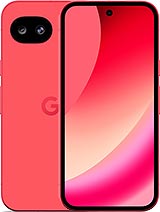
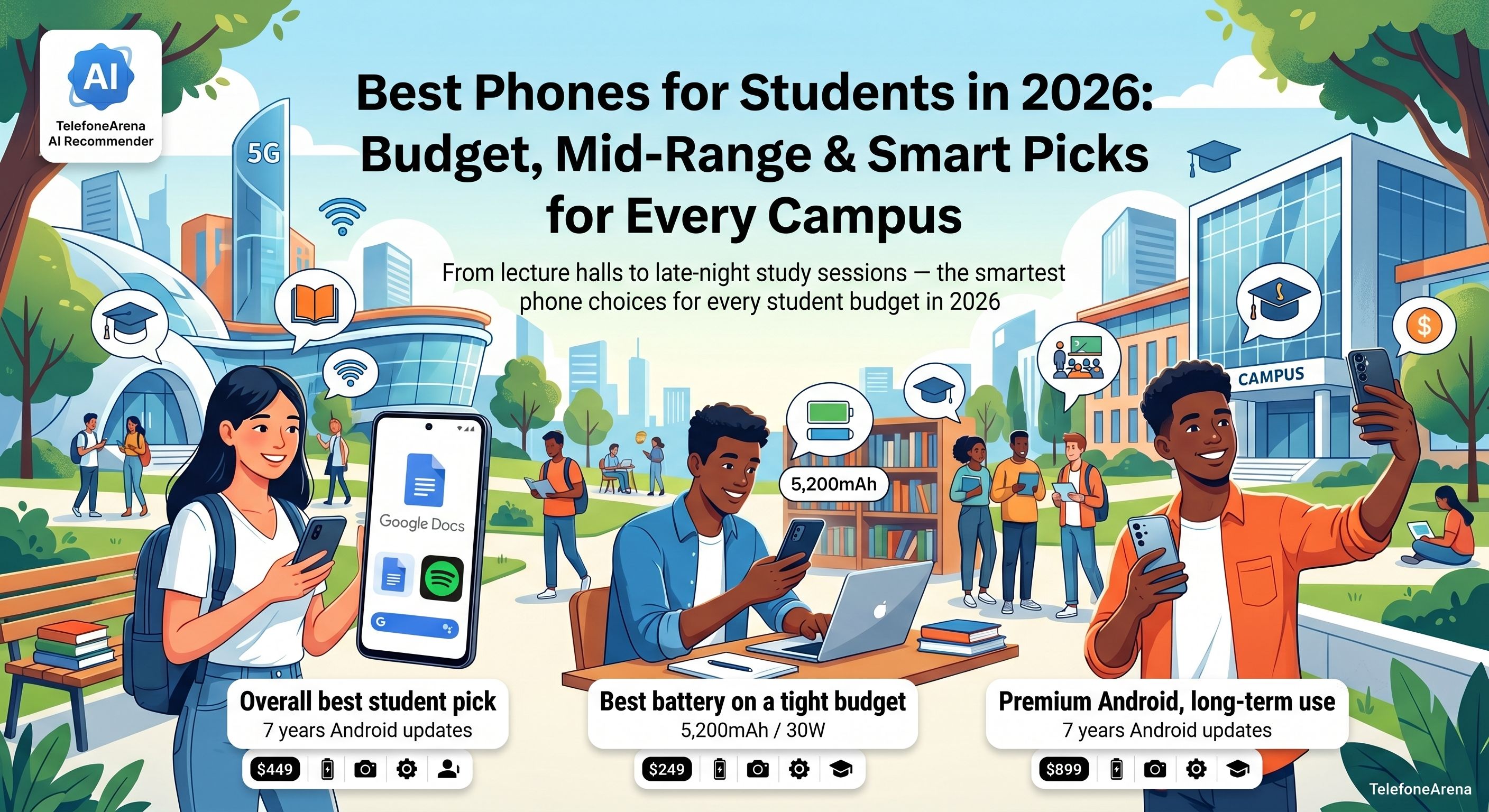
| Google Pixel 10a | $449 | 5,100mAh / 30W | 6.3" P-OLED 120Hz | 7 years Android | Overall best student pick |
| Motorola Moto G Power (2026) | ~$249 | 5,200mAh / 30W | 6.8" LCD 90Hz | 3 years Android | Best battery on a tight budget |
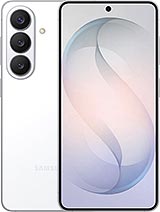
| Samsung Galaxy S26 | $899 | 4,300mAh / 25W | 6.3" AMOLED 120Hz | 7 years Android | Premium Android, long-term use |
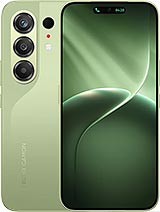
| Tecno Camon 50 4G | $249 | 5,000mAh | 6.7" AMOLED | 2 years | Best screen quality under $250 |
| Apple iPhone 17 Pro Max | $1,200 | Large cell / fast charge | 6.9" Super Retina XDR | 6+ years iOS | Apple ecosystem students |
Prices based on listed launch pricing. Specs based on available published information.
The Best Student Phone Overall: Google Pixel 10a
The Google Pixel 10a is the phone that makes the most sense for the widest range of students in 2026, and it is not particularly close.
On paper, the case starts with software. Google guarantees seven major Android updates for the Pixel 10a — that is an unprecedented commitment for a sub-$500 Android phone. If you are starting university in 2026, this phone will still be receiving security patches and feature updates when you graduate, regardless of whether your course takes three or four years. That kind of longevity is hard to find at this price.
The hardware backs it up. Based on listed specs, you get a 6.3-inch P-OLED display with a 120Hz refresh rate and 3,000 nits peak brightness — genuinely excellent for reading in bright outdoor settings or lecture theatres. The Google Tensor G4 chip handles everyday multitasking comfortably, and 8GB of RAM means app-switching between Chrome, Notion, and Spotify is smooth in practice. The 5,100mAh battery with 30W charging is well-sized for a full day of campus use.
The camera system — a 48MP main sensor with OIS and a 13MP ultrawide — punches well above its price. Google's computational photography software is widely regarded as among the best on Android, as noted by reviewers at The Verge. For scanning whiteboards, shooting food in the canteen, or just documenting campus life, it delivers reliably.
The one trade-off is charging speed — 30W is not the fastest available in 2026 — but for overnight charges, it is a non-issue. You can also compare the Pixel 10a directly with other phones on TelefoneArena to see how it stacks up against alternatives in your shortlist.
Google Pixel 10a: Pros & Cons
| Pros | Cons |
|---|---|
| 7 years of Android OS updates | No microSD card slot |
| Excellent camera software for the price | 30W charging is mid-range speed |
| Compact 6.3" size — easy for one-handed use | Only available in limited markets at launch |
| Clean Android 16 with no bloatware | No telephoto camera |
| Strong resale value vs. competitors | — |
Verdict: The Pixel 10a is the closest thing to a perfect student phone in 2026 for most buyers. Seven years of updates, great camera, clean software, and a manageable price. Unless you are deep in the Apple ecosystem or have an extremely tight budget, this is the one to get.
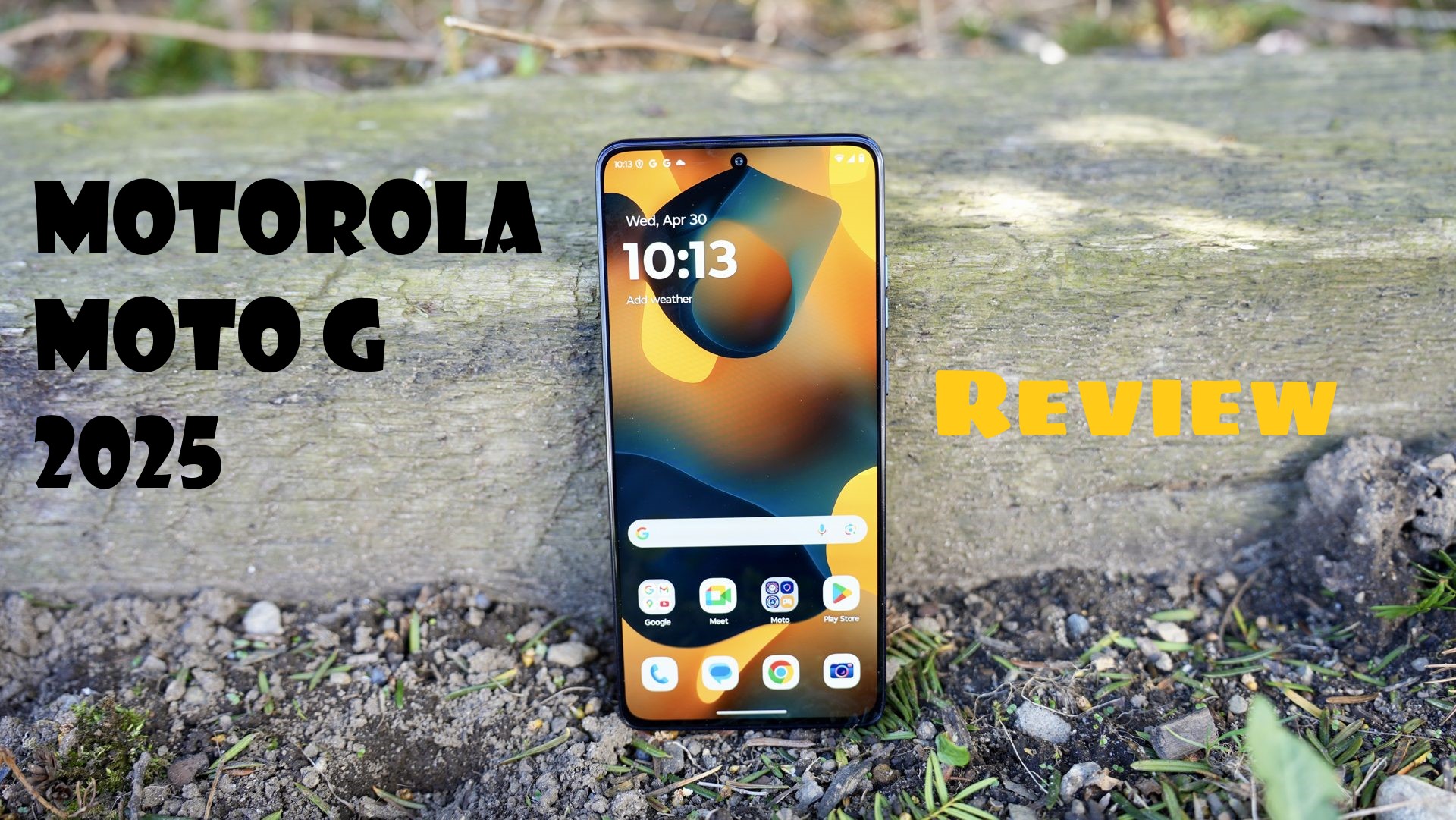
Best Budget Student Phone: Motorola Moto G Power (2026)
If your budget is closer to $200–$250 and battery life is your top priority, the Motorola Moto G Power (2026) is the most sensible pick.
The 5,200mAh battery is the headline spec here, and 30W charging means you can get a meaningful top-up during a lunch break. Based on available specs, the 6.8-inch display is large enough for comfortable reading, which matters when you are reviewing lecture notes or reading PDFs. Motorola's software approach is famously clean — it runs near-stock Android with very little manufacturer bloat, which keeps performance snappier than you might expect from an entry-level chip.
The 50MP main camera is serviceable for everyday shooting. It will not impress in low light, but for daylight photos and whiteboard documentation it gets the job done.
The trade-off: Motorola commits to fewer OS updates at this price tier, so a student buying this in 2026 will likely want an upgrade before finishing a four-year degree. Still, for a first year on a strict budget, it is hard to argue against the value. See TelefoneArena's full round-up of best phones under $300 in 2026 for more alternatives at this price point.
Motorola Moto G Power (2026): Pros & Cons
| Pros | Cons |
|---|---|
| 5,200mAh battery — exceptional endurance | Shorter software update window |
| Near-stock Android, fast and clean | Average low-light camera |
| Large 6.8" display for reading | LCD display — not OLED quality |
| Very competitive price | No 5G in base model (varies by region) |
Best Student Phone for Long-Term Investment: Samsung Galaxy S26
Students who can stretch to $899 — or who receive help with a significant gift purchase — should consider the Samsung Galaxy S26 as a phone that will serve them well beyond graduation.
Based on listed specifications, the Galaxy S26 runs on a Snapdragon 8 Elite Gen 5 (or Exynos 2600 in some regions) — one of the most capable mobile processors available in 2026. The Dynamic LTPO AMOLED display at 120Hz with 2,600 nits peak brightness is genuinely excellent for outdoor visibility and media consumption. Samsung also guarantees seven years of OS updates, matching Google's Pixel commitment.
The 50MP main camera is versatile, and Samsung's processing engine produces consistently pleasing results in a variety of shooting conditions. For students who take a lot of content — whether for personal projects, student media, or social media — this is a meaningful upgrade over budget alternatives.
The notable downside for student use: the 4,300mAh battery is smaller than you might expect at this price, and 25W charging is not the fastest. Still, combined with the efficiency of the new processor, it should last a full day for most users. Browse Samsung's full Samsung phone lineup on TelefoneArena if you want to compare across the S26 family before deciding.
For a deeper look at how this phone compares to its direct rivals, TelefoneArena's flagship comparison guide covers the top-tier Android and iOS options side by side.
Best iPhone for Students: Apple iPhone 17 Pro Max
This section requires honesty: the Apple iPhone 17 Pro Max at $1,200 is not a practical buy for most students. But a significant share of students either already own a recent iPhone, receive one as a gift, or are making a one-time investment in a device they plan to use for five or six years.
For that audience, the case for iPhone is the ecosystem. If you already use a MacBook for university, an iPad for note-taking, or AirPods for lectures, the seamless AirDrop, Universal Clipboard, and Handoff features between Apple devices are genuinely useful for academic workflows. iOS also maintains a reputation for strong privacy controls and a consistent, malware-resistant software environment — relevant for students who handle research data.
The 17 Pro Max is, on paper, an exceptional device: a 6.9-inch Super Retina XDR display, a 48MP main camera with serious video capabilities, and the A19 Pro chip. Apple's iOS update support often extends to six or more years, making it a durable long-term investment. The Apple iPhone product page details the full range, including the standard iPhone 17, which at a lower entry price is a more accessible option for students who want the Apple ecosystem without the Pro price tag.
For students without Apple ecosystem ties, the Pixel 10a or Galaxy S26 offer objectively better value per dollar. But for those already in the Apple world, the 17 series maintains that advantage.
Best Screen Quality Under $250: Tecno Camon 50 4G
If you need to stretch your budget further and still want an OLED display — which makes a real difference for reading and media — the Tecno Camon 50 4G at $249 deserves attention. It offers an AMOLED panel on a 6.7-inch screen at a price that undercuts most OLED competition by a wide margin.
Based on available specs, it pairs this with a 5,000mAh battery — more than adequate for a full day — and a reasonable 50MP main camera. For students in markets where Tecno has strong distribution (particularly across Africa, the Middle East, and parts of South Asia), this represents strong value. Browse the full Infinix and Tecno ranges on TelefoneArena for comparable options from these value-focused brands.
How to Compare Student Phone Options
Not every student has the same priorities. A medical student scanning lecture slides needs different specs than an art student shooting content for their portfolio. Use the guide below to match your main use case to the right phone type:
| Student Type | Priority | Recommended Category |
|---|---|---|
| First year on tight budget | Battery + value | Budget phones under $300 |
| Long-term investor | Software updates + performance | Pixel 10a or Galaxy S26 |
| Content creator / media student | Camera quality | Camera phones |
| Engineering / gaming student | Performance + display | Mid-range phones $300–$500 |
| Apple ecosystem user | Integration + longevity | Apple iPhones |
| Undecided | Personalised recommendation | AI Recommender tool |
5 Key Buying Decisions — And the Right Answers for Students
1. Android or iPhone?
For pure value, Android wins in 2026 — especially in the $300–$500 range where the Pixel 10a lives. iPhones are worth it if you are already embedded in the Apple ecosystem or prioritise long-term iOS update consistency. Google's Android phones currently offer the cleanest Android experience with the longest update guarantees of any Android manufacturer.
2. New or Refurbished?
A certified refurbished phone from the previous generation can be an excellent student purchase. A refurbished iPhone 16 or Pixel 9a often sits 20–30% below launch price and performs almost identically for most student tasks. Prioritise refurbished units from official manufacturer programmes or certified resellers to avoid battery degradation surprises.
3. How Much Storage Do You Actually Need?
128GB is fine for most students in 2026 if you use cloud services (Google Photos, iCloud) for photos and streaming for music. Go for 256GB if you download a lot of lectures, movies, or games locally, or if you shoot a lot of video.
4. Does 5G Matter for Students?
Most university campuses have strong Wi-Fi coverage, which reduces the day-to-day benefit of 5G. That said, if your commute or living situation involves areas with poor 4G coverage, 5G future-proofs your connection. According to Qualcomm's 5G overview, the technology's low-latency benefits become more relevant as public networks mature — worth considering for a phone you plan to use for four or more years.
5. Which Processor Brand Should Students Trust?
Both Qualcomm's Snapdragon and Google's Tensor chips handle student workloads comfortably in their respective mid-range and premium tiers. MediaTek's Dimensity series powers many budget and mid-range options effectively. The difference in real student use — web browsing, streaming, note-taking — is smaller than benchmark comparisons suggest. Focus on battery size and software updates before chip brand.
Alternatives Worth Considering
The phones above are the strongest picks, but depending on your region and availability, these alternatives deserve a look too:
- Xiaomi 17 Ultra — For students who want a premium camera experience at a slightly lower price than the Galaxy S26 Ultra. A strong option in markets where Xiaomi has good support.
- Honor Magic8 RSR — A premium option for students who want exceptional build quality and a strong camera, particularly in markets with Honor's established service network.
- Motorola Moto G05 — At just $79 based on listed pricing, this is the lowest-cost functional smartphone option for students in very tight financial situations. Expectations should be managed accordingly, but it handles calls, messaging, and basic apps.
- Tecno Camon 50 Pro 4G — The Pro upgrade to the Camon 50, offering better camera performance at $299, a meaningful step up for students who rely on their phone camera regularly.
You can also run any two of these phones through TelefoneArena's side-by-side comparison tool to see specs laid out head-to-head before committing.
What Reviewers and Experts Say
For broader context beyond our spec-based analysis, independent review outlets provide useful real-world perspective. The Pixel 10a's camera consistently earns praise from reviewers who examine its computational photography performance in depth — as covered on GSMArena, one of the most comprehensive smartphone spec and review databases available. Android Authority has also consistently positioned Google's mid-range Pixel line as the most sensible Android option for budget-conscious buyers who do not want to compromise on software quality. For students considering a flagship, the camera benchmark scores at DXOMARK provide a useful independent reference point before spending over $800.
Frequently Asked Questions: Best Phones for Students
What is the best phone for a university student with a $400–$500 budget?
The Google Pixel 10a at $449 is the strongest overall pick in this budget range. It combines a clean 120Hz OLED display, strong camera, 5,100mAh battery, and seven years of Android updates — making it the most future-proof option available under $500 in 2026.
Is it worth buying a flagship phone for university?
For most students, no. The premium paid for a flagship like the Samsung Galaxy S26 ($899) or iPhone 17 Pro Max does buy you better hardware, but the day-to-day difference for academic tasks is minor. The main argument for a flagship is longevity — if you plan to keep the phone for five or more years and want the best update support, it can make financial sense spread across that timeframe.
What phone is best for a student who uses their phone for studying and note-taking?
Prioritise a large, sharp display and clean software. The Pixel 10a's 6.3-inch P-OLED screen is excellent for reading PDFs and annotating documents. The Samsung Galaxy S26's AMOLED display is equally sharp. For pure screen size, the Moto G Power's 6.8-inch display offers the most real estate at the budget end.
Are budget phones reliable enough for students in 2026?
Yes, for most academic tasks. Modern budget phones in the $200–$300 range handle calls, messaging, document editing, streaming, and social media comfortably. The main trade-offs are weaker low-light cameras, shorter update windows, and slower charging. See our full budget phone category for detailed options across this range.
Should students buy a phone with 5G in 2026?
If your budget allows, yes — future-proofing your connection for a four-year device is sensible. But if 5G adds $80–$100 to the price and stretches your budget, 4G LTE remains perfectly capable for all student tasks in 2026. Campus Wi-Fi handles most heavy data tasks anyway.
How do I choose between Android and iPhone as a student?
The clearest guide: if you already own a MacBook or iPad, iOS integration is genuinely useful and worth the premium. If you have no Apple devices, Android at the Pixel 10a price point gives you significantly more phone for the money. Use TelefoneArena's AI Recommender to get a personalised suggestion based on your specific situation.
Final Verdict: The Student Phone Buying Hierarchy in 2026
Student phone buying decisions come down to four real factors: how long you want the phone to last, how much you can spend, what ecosystem you are already in, and how important the camera is to you.
For the majority of students — especially those without a strong existing tech ecosystem — the Google Pixel 10a is the correct answer in 2026. Seven years of updates, a 120Hz OLED screen, a genuinely good camera, and a price under $450 make it the most sensible combination available. It is not exciting in a flashy spec-sheet way, but it is the kind of phone you will still be happy with in third year.
If the budget is genuinely tight, the Motorola Moto G Power (2026) is the battery champion that keeps on going. If you are making a five-year investment and can justify it, the Samsung Galaxy S26 is where premium Android value lives this year.
Still undecided? Browse the full TelefoneArena phone database, filter by price and specs, and let the AI Recommender narrow it down based on exactly what you need. And if you want to read how TelefoneArena approaches choosing a phone more broadly, the complete phone buying guide for 2026 is a useful companion to this article.
Article based on listed specifications and published pricing as of June 2026. Prices may vary by region and retailer.