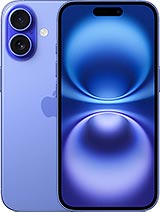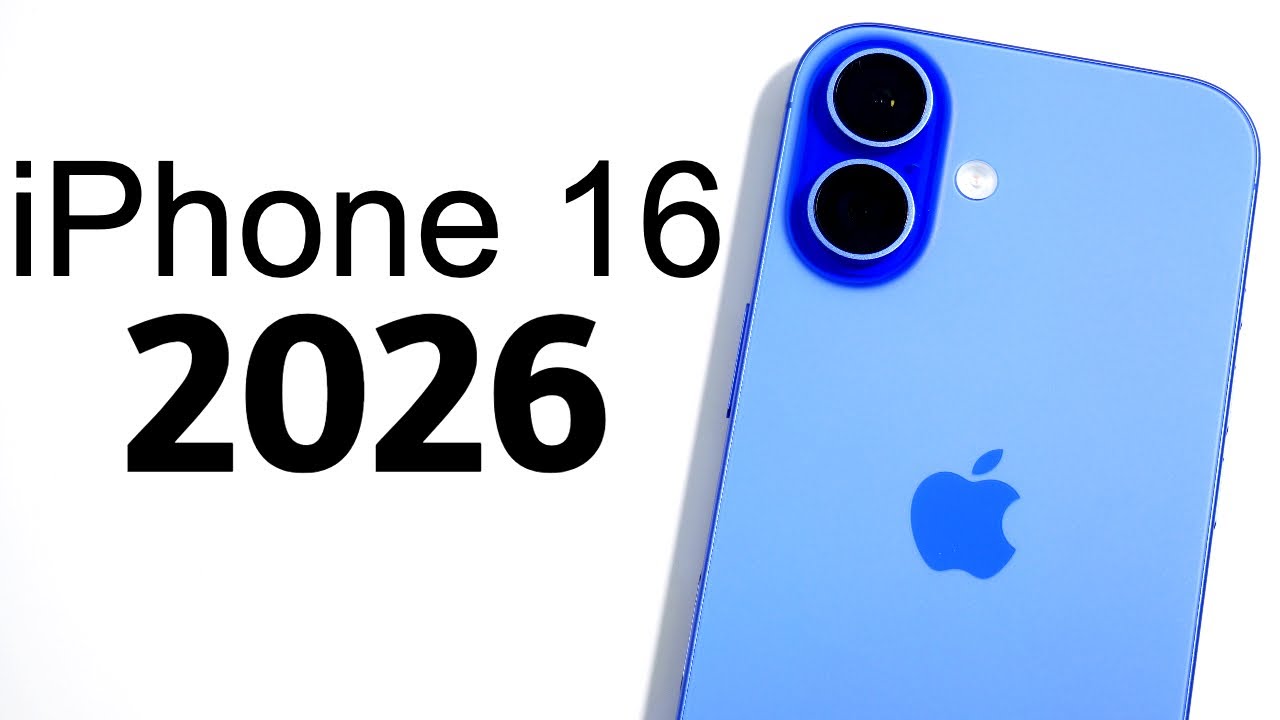
The Apple iPhone 16 is still a good purchase in 2026, but only if the price is right. Its listed specifications show that it has a 6.1-inch OLED display, the Apple A18 chip, a 48MP main camera, and USB-C. It also has a phone design that allows it to receive current iOS updates. The 60Hz refresh rate is the problem. It looks old next to the 120Hz screen on the Apple iPhone 17. If you can find the iPhone 16 for a price that's much lower than the 17, it's worth buying the 16. If the price difference is small, it's better to choose the newer model.
Apple iPhone 16 at a Glance
| Spec | Apple iPhone 16 |
|---|---|
| Display | 6.1" Super Retina XDR OLED, 60Hz, 2000 nits peak brightness |
| Chipset | Apple A18 (3nm), hexa-core CPU, 5-core GPU |
| RAM / Storage | 8GB RAM with 128GB, 256GB, or 512GB storage |
| Main Camera | 48MP wide (f/1.6) + 12MP ultrawide |
| Selfie Camera | 12MP |
| Battery | 3561mAh, 25W wired charging, wireless charging supported |
| Build | Glass front and back, aluminum frame, 170g |
| Charging Port | USB-C (USB 2.0 speeds) |
| OS at Launch | iOS 18, upgradable to current iOS versions |
| Launch Price | $799 (128GB) |
Apple iPhone 16: Full Specifications Breakdown
Display: Sharp, Bright, But Capped at 60Hz
The iPhone 16 has a 6.1-inch Super Retina XDR OLED display with a resolution of 1179 x 2556 pixels, which is about 460 ppi. On paper, this is a sharp, color-accurate screen with HDR10 and Dolby Vision support. Apple lists the peak outdoor brightness at 2000 nits, which should hold up well in direct sunlight.
The one number that stands out — and not in a good way — is the refresh rate. The iPhone 16 sticks to 60Hz, while Apple finally brought a 120Hz ProMotion display down to the standard model with the iPhone 17. For most everyday browsing and texting, 60Hz is still perfectly usable. But if you've spent any time with a 120Hz Android phone, the difference in scrolling smoothness is noticeable within minutes.
Performance: The A18 Chip Still Has Plenty Left in the Tank
Under the hood is the Apple A18, a 3nm chip with a hexa-core CPU (two performance cores plus four efficiency cores) and a 5-core GPU. According to Apple's official specs page, the A18 also includes a 16-core Neural Engine built specifically to handle on-device Apple Intelligence tasks.
Listed AnTuTu benchmark figures put the iPhone 16 around the 1.65 million mark, which is still flagship-tier performance even against newer Android chips. Tom's Hardware noted at launch that Apple claimed the A18's GPU was up to 40% faster than the previous A16 Bionic, while using significantly less power — and based on available information, that efficiency advantage is a big reason the chip hasn't aged badly.
For comparison, the step-up iPhone 16 Pro uses the A18 Pro variant with an extra GPU core and a faster USB controller, which matters more for video editors and heavy multitaskers than for the average buyer.
Cameras: A Capable 48MP System With One Obvious Gap
The rear setup pairs a 48MP main sensor (f/1.6, sensor-shift OIS) with a 12MP ultrawide. There's no telephoto lens on the standard model — that's reserved for the Pro line — so anyone who leans heavily on optical zoom should look at the iPhone 16 Pro's 5x periscope camera instead.
Listed DxOMark-style scoring for the iPhone 16 camera sits in the high range typical of recent Apple flagships, and the phone supports 4K video up to 60fps with Dolby Vision HDR. Based on listed specs, daytime photo quality and video stabilization remain genuine strengths, even though the resolution and zoom range are clearly a notch below the Pro models or the latest Samsung Galaxy S26 Ultra, which ships with a 200MP main sensor.
Battery and Charging: Decent, Not Class-Leading
The iPhone 16 has a 3561mAh battery with 25W wired fast charging and wireless charging. This is a smaller battery than most other high-end Android phones. It takes a long time to charge. It can take over an hour to charge from empty using the right charger.
In practice, Apple's software-level power efficiency tends to offset the smaller battery capacity to some degree, which is a pattern TelefoneArena's own review standards point out: a bigger mAh number on an Android phone doesn't automatically mean longer real-world battery life than a smaller cell paired with tighter software optimization. Still, for buyers who want all-day battery without thinking about it, the iPhone 16 Plus offers meaningfully more capacity in a similar design.
Build, Design, and Connectivity
The iPhone 16 proudly maintains the beloved flat-edge aluminum frame we all know and love, with a stunning glass front and back, weighing in at just 170g. It introduced the Camera Control button alongside the Action button carried over from the iPhone 15 Pro, both of which are still part of the lineup. Connectivity covers 5G, Wi-Fi 7, Bluetooth 5.3, and NFC, and the phone uses USB-C — though data transfer is capped at USB 2.0 speeds, a deliberate cost-cutting choice; Apple reserves the faster USB 3 standard for Pro models.
iPhone 16 vs iPhone 17 vs iPhone 16 Pro: Quick Comparison Table
| Spec | iPhone 16 | iPhone 17 | iPhone 16 Pro |
|---|---|---|---|
| Display | 6.1" 60Hz OLED | 6.3" 120Hz OLED | 6.3" 120Hz LTPO OLED |
| Chipset | A18 | A19 | A18 Pro |
| Main Camera | 48MP + 12MP | 48MP + 48MP | 48MP + 48MP telephoto (5x) |
| Battery | 3561mAh | 3692mAh | 3582mAh |
| Build Frame | Aluminum | Aluminum | Titanium |
| Launch Price | $800 | $800 | $1,100 |
Worth noting: the iPhone 17 launched at essentially the same price as the iPhone 16 did, which is exactly why current iPhone 16 pricing matters so much — if the gap between the two narrows, the 17's 120Hz screen and dual 48MP cameras make it the easy win.
Pros and Cons
Reasons to Buy
- Vibrant, color-accurate OLED display with strong outdoor brightness
- A18 chip still handles demanding apps and games without strain
- Reliable 48MP main camera with solid video stabilization
- Generous storage tiers up to 512GB
- USB-C port and Apple Intelligence support out of the box
- Long software update runway typical of Apple's flagship tier
Reasons to Avoid
- Stuck at a 60Hz refresh rate while the iPhone 17 moved to 120Hz
- No telephoto lens on the standard model
- 3561mAh battery is modest next to current Android flagships
- 25W charging feels slow by 2026 standards
- USB-C port limited to USB 2.0 transfer speeds
Is the iPhone 16 Worth Buying in 2026?
Based on available information and how the phone is currently priced against newer releases, the honest answer is: it depends entirely on the discount.
The iPhone 16 was the best-selling smartphone of 2025 according to Counterpoint Research data widely cited by tech outlets, and that popularity hasn't evaporated just because a newer model exists. The chip is still fast, the camera is still reliable for most everyday shooting, and Apple's software support window remains one of the longest in the industry. If you find the iPhone 16 priced noticeably below the iPhone 17 — say $150 or more — it's a smart, low-risk purchase.
Where it gets harder to recommend is when retailers price it too close to the 17. At that point you're paying nearly flagship money for a 60Hz screen, a single rear camera lens, and a smaller battery, when a small top-up gets you a meaningfully better screen and camera setup on the iPhone 17.
Verdict
Buy the iPhone 16 if: you want a dependable iPhone with flagship-level performance and don't mind a 60Hz screen, and you're getting it at a clear discount versus the iPhone 17.
Skip it if: the price is close to the iPhone 17, you care about a high refresh rate, or you regularly use zoom photography — in which case the iPhone 16 Pro or iPhone 17 make more sense.
Who Should Actually Buy the iPhone 16?
- First-time iPhone buyers who want a proven, well-supported device without paying current flagship prices.
- People upgrading from an iPhone 12 or older, where the jump in camera quality, chip speed, and Apple Intelligence support will feel substantial.
- Buyers who don't care about 120Hz and mostly use their phone for messaging, social media, photos, and browsing.
It's a tougher sell for anyone already on an iPhone 15, since the year-over-year jump is incremental rather than transformative — the camera, chip, and battery improvements are real but modest.
Best Alternatives to Consider
If the iPhone 16 doesn't quite fit your budget or needs, a few alternatives are worth comparing side by side using TelefoneArena's phone comparison tool:
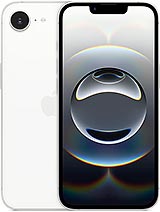
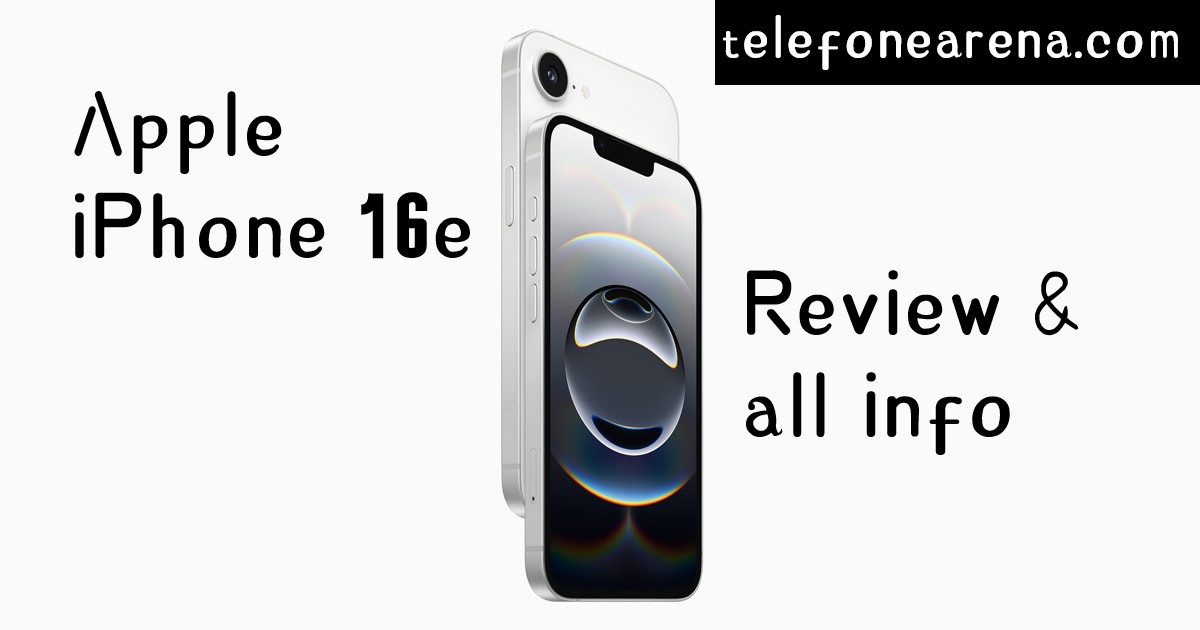
- Apple iPhone 16e — A cheaper entry into the Apple ecosystem with the same A18 chip but a trimmed-down camera and no MagSafe, for buyers prioritizing price over features.
- Apple iPhone 17 — The natural successor, with a 120Hz display, dual 48MP cameras, and a bigger battery for roughly the same launch price the 16 originally carried.
- Samsung Galaxy S26 — A strong Android rival in a similar price bracket, with a higher refresh rate and Samsung's One UI ecosystem.
- Google Pixel 10a — A budget-friendly option for buyers who prioritize computational photography over raw specs, at a significantly lower price point.
For a more tailored recommendation based on your budget and priorities, TelefoneArena's AI phone recommender can match you with a phone faster than scrolling through spec sheets manually.
iPhone 16 vs the Competition: How It Stacks Up
Comparing the iPhone 16 against Android flagships isn't a perfectly apples-to-apples exercise, since iOS and Android prioritize different things. But a few points stand out based on listed specs:
- Against the Samsung Galaxy S26, the iPhone 16 trades a 120Hz display and faster charging for Apple's longer software support window and tighter ecosystem integration.
- Against the Huawei Pura 90 Pro Max, the iPhone 16's camera system is simpler and lacks a telephoto lens, but it benefits from full Google services and app store access, which Huawei devices still lack in many regions.
- Against budget mid-rangers like the Tecno Camon 50 Pro, the price gap is enormous, but so is the difference in chip performance, build quality, and long-term software updates.
For deeper side-by-side data, GSMArena's full iPhone 16 specification sheet and Notebookcheck's A18 chip breakdown are both useful references if you want to cross-check benchmark numbers independently.
Buying Advice: How to Get the Best Deal on an iPhone 16 in 2026
- Compare carrier deals against Apple's direct store price. Trade-in promotions can sometimes beat a flat discount, but read the fine print on installment contracts.
- Consider certified refurbished units. A Grade A refurbished iPhone 16 can come close in price to the iPhone 16e while offering a better camera and a larger screen.
- Check storage needs before storage tier upsells. 128GB is enough for most users who rely on cloud storage for photos; 256GB makes more sense if you keep a large local media library.
- Don't ignore the software-update clock. As outlined in TelefoneArena's guide on choosing between a used flagship and a new mid-ranger, the number of guaranteed update years left on a device matters more long-term than shaving off a small amount on the purchase price.
Frequently Asked Questions
Is the iPhone 16 still worth buying in 2026?
Yes, based on listed specs and current pricing trends, the iPhone 16 remains a solid option if you can find it discounted relative to the iPhone 17. At full price with little gap to the 17, the newer model is the better value.
What chip does the iPhone 16 use?
It runs on the Apple A18, a 3nm chip with a hexa-core CPU and 5-core GPU, also used in the iPhone 16 Plus and a binned version in the iPhone 16e. The iPhone 16 Pro and Pro Max use the more powerful A18 Pro variant instead.
Does the iPhone 16 support Apple Intelligence?
Yes, the A18 chip and 8GB of RAM meet Apple's requirements for on-device Apple Intelligence features, including writing tools, notification summaries, and Siri enhancements, as confirmed on Apple's official support page.
How long will the iPhone 16 receive software updates?
Apple typically supports flagship iPhones with major iOS updates for five to seven years from release. Since the iPhone 16 launched in September 2024, it should keep receiving new iOS versions well into the early 2030s based on Apple's historical support pattern.
Is the iPhone 16 or iPhone 16 Plus the better buy?
The iPhone 16 Plus shares the same chip and camera system but adds a larger 6.7-inch display and a bigger battery. If screen size and battery life matter more to you than pocketability, the Plus is worth the extra cost.
Should I buy the iPhone 16 or wait for a discount on the iPhone 17?
If you can wait, it's worth comparing live pricing on both. The iPhone 17 has a 120Hz display and an upgraded ultrawide camera, but it costs the same as the 16. That changes the value equation a lot once the 16 is no longer significantly cheaper.
Final Verdict
The Apple iPhone 16 isn't the newest or most exciting option from Apple anymore, but based on its features, it's still a really good phone for the price most stores are asking in 2026. The A18 chip, reliable 48MP camera, and long software support are real strengths. The 60Hz display and lack of a telephoto lens are the most obvious compromises
If you want the safest, most future-proof choice and don't mind spending a bit more, the iPhone 17 is the better long-term pick. If you want flagship performance without flagship pricing, the iPhone 16 still earns its place — as long as the discount is real. For a closer look at the full spec sheet, pricing, and user discussion, visit the Apple iPhone 16 page on TelefoneArena, or browse the complete Apple phone lineup to compare every current model side by side.