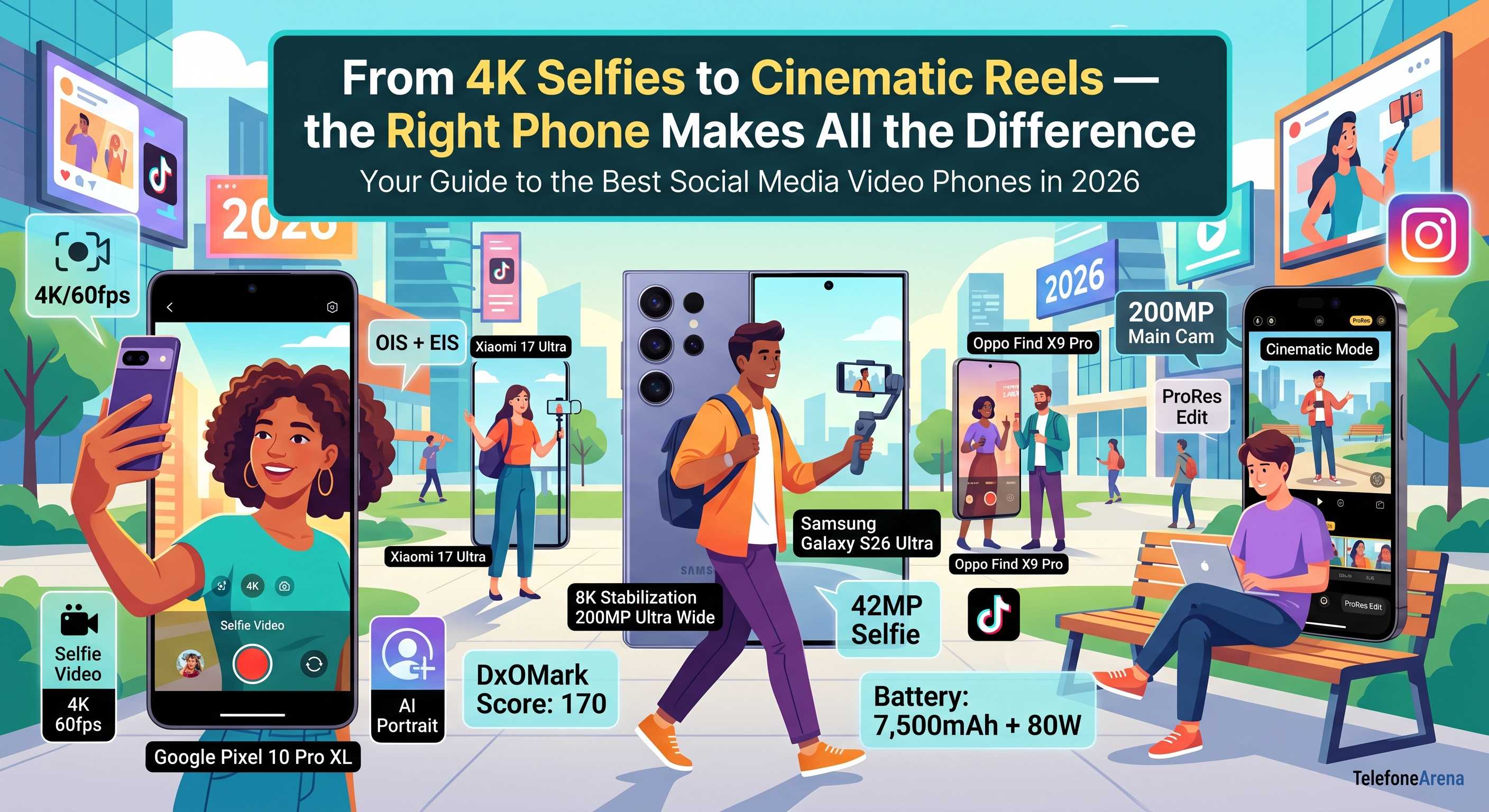
Quick Answer: For TikTok and Instagram in 2026, the best all-round phone is the Samsung Galaxy S26 Ultra (best video versatility), while the Apple iPhone 17 Pro Max remains the top choice if you live in the iOS ecosystem. For the best camera score on a budget, the Google Pixel 10 Pro XL is hard to beat. If you want the highest DxOMark score in the market right now, the Xiaomi 17 Ultra sits at the top.
Why Your Phone Choice Actually Matters for Social Media
Most people underestimate how much their phone affects the quality of their content. TikTok and Instagram don't just play back your videos — their algorithms actively reward sharp, well-lit, stable footage with more reach. Blurry clips shot on a phone with a mediocre front camera simply don't perform as well, even with a great hook or trending audio.
The phones that perform best for social media content creation share a few common traits: a wide-angle front camera that looks flattering at arm's length, optical image stabilization (OIS) on both rear and front cameras, solid 4K recording at 60fps or higher, and a bright AMOLED display so you can judge exposure and colors accurately while filming.
Battery life matters too. Recording video, especially in 4K, drains a phone fast. If you shoot content on the go, a phone with at least 5,000mAh and fast charging can be the difference between getting the shot and missing it.
This guide focuses on phones available in 2026, based on listed specs and available information from TelefoneArena. We cover flagships, strong mid-range options, and what each phone actually brings to the table for creators.
What to Look for in a Phone for TikTok and Instagram
Before jumping into specific phones, it helps to understand what specs actually matter for social media video — and which are just marketing noise.
- Selfie camera quality: Most TikTok and Instagram content is shot with the front camera. Look for a front camera of at least 20MP with autofocus. A wide aperture (f/2.0 or lower) helps in lower light.
- Video stabilization: OIS (optical) combined with EIS (electronic) makes handheld footage watchable. Without it, walking shots and action clips look shaky.
- 4K 60fps support: Most modern flagships offer 4K at 60fps or higher. This gives you smooth footage and more flexibility in editing.
- Display quality: A 120Hz AMOLED screen lets you monitor your footage accurately. Higher refresh rates make previewing smoother.
- Processing power: Heavier video editing apps and filters require a strong chipset. Snapdragon 8 Elite and Apple A19 Pro are the current benchmarks for 2026.
- Battery: Content creators need at least 5,000mAh, ideally with 60W+ fast charging to stay in the game all day.
- Storage: 4K footage fills up fast. At least 256GB is recommended for anyone posting regularly.
For more help matching your needs to the right device, try the TelefoneArena AI Phone Recommender — it filters phones by your priorities, including camera quality and budget.
The Best Phones for TikTok and Instagram in 2026
1. Samsung Galaxy S26 Ultra — Best Overall for Content Creators
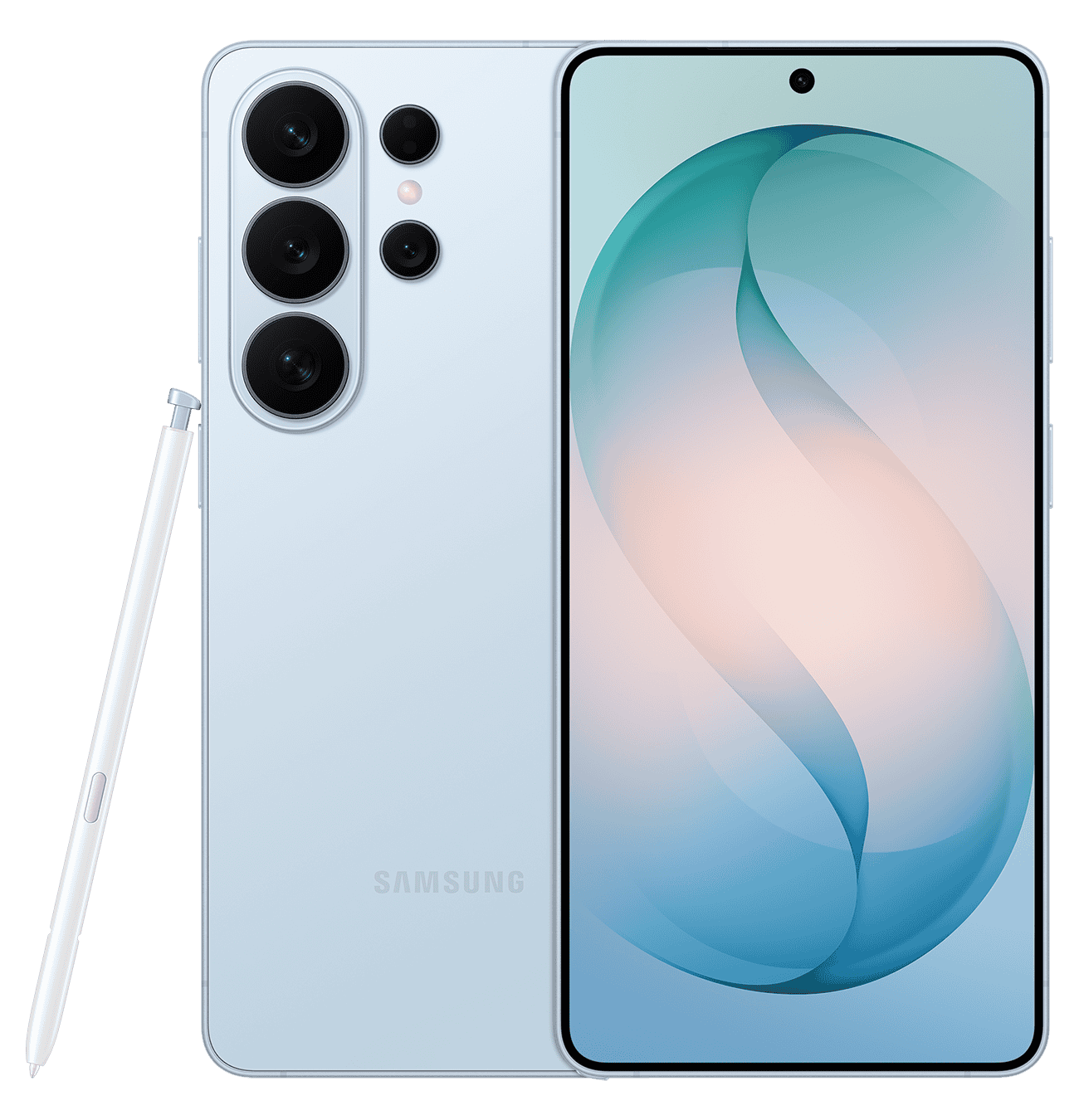
The Samsung Galaxy S26 Ultra is, on paper, the most versatile phone for social media content in 2026. It packs a 200MP main camera with OIS, an 8K video recording mode, and a Snapdragon 8 Elite Gen 5 chipset that benchmarks at an AnTuTu score of 4,132,403. The 6.9-inch Dynamic LTPO AMOLED 2X display hits 2,600 nits peak brightness, which means you can actually see what you're shooting in direct sunlight.
Based on available information, the S26 Ultra scores 160 on DxOMark, placing it among the top video phones in the world. DXOMARK evaluates phones on exposure, autofocus, color, texture, noise, and video stabilization — all the things that directly determine how your TikTok or Reel looks on-screen.
For Instagram Stories and TikTok shooting on the rear camera, the 200MP sensor gives you incredible flexibility to crop in post without losing detail. The 60W fast charging on a 5,000mAh battery means you can shoot for hours and get back to full charge quickly.
- Pros: Top-tier 200MP camera, 8K video, exceptional brightness, 60W fast charging, best-in-class Snapdragon chipset
- Cons: Priced at $1,250 — not for budget-conscious buyers
Best for: Creators who want maximum flexibility with zoom, video quality, and editing power in one device.
2. Apple iPhone 17 Pro Max — Best for iOS Creators and Cinematic Video
The Apple iPhone 17 Pro Max continues Apple's lead in cinematic video quality. Running on the Apple A19 Pro chip with a benchmarked AnTuTu score of 2,500,000, it handles ProRes RAW video, Dolby Vision HDR at up to 120fps, and Apple Log 2 — a log profile that gives video editors much more latitude in color grading.
For TikTok specifically, the front 18MP camera with HDR and Dolby Vision HDR recording is a major differentiator. The selfie footage looks polished out of the box, with Apple's processing pipeline doing a lot of the heavy lifting in terms of skin tones and dynamic range. The 6.9-inch LTPO Super Retina XDR OLED panel hits 3,000 nits peak brightness.
According to Apple's official product page, the iPhone 17 Pro Max includes sensor-shift OIS across all three rear cameras and the front camera, which noticeably reduces camera shake during walking shots.
Battery life is the one area where some buyers feel the 25W wired charging speed is a step behind the competition — phones like the Xiaomi 17 Ultra charge at 90W. That said, the 5,088mAh battery capacity covers most full-day shooting sessions.
- Pros: ProRes RAW video, Dolby Vision HDR, excellent front camera, Apple ecosystem integration, 3,000 nits display
- Cons: 25W charging is the slowest among top flagships at this price; no 3.5mm jack
Best for: iOS users, professional content creators, and anyone who edits video in Final Cut Pro or uses CapCut/Adobe Rush on an iPhone.
3. Xiaomi 17 Ultra — Highest Camera Score in 2026
If raw camera performance is your priority, the Xiaomi 17 Ultra currently leads the pack with a DxOMark score of 170 — the highest listed on TelefoneArena's best camera phones category as of mid-2026. It pairs a 50MP wide camera (1.0-inch type sensor) with Leica lenses and a 200MP periscope telephoto for a camera system that performs across all shooting distances.
The phone records up to 8K@30fps and 4K@30/60/120fps, with gyro-EIS and Dolby Vision HDR in 10-bit. For fast-moving TikTok content — dance videos, street footage, travel vlogs — the 6,000mAh battery and 90W fast charging are a genuine competitive advantage. A full day of shooting won't leave you hunting for a power outlet.
The 50MP selfie camera is one of the best front sensors on any phone right now, which matters enormously for face-forward content on TikTok and Instagram Reels.
- Pros: DxOMark score of 170, Leica lenses, 1-inch sensor, 6,000mAh battery, 90W charging, 50MP front camera
- Cons: HyperOS software is less polished than iOS or One UI for some users; limited availability in certain markets
Best for: Serious creators who want the highest possible camera performance and all-day battery without compromise.
4. Google Pixel 10 Pro XL — Best for AI-Assisted Content
The Google Pixel 10 Pro XL scores 165 on DxOMark — placing it above the Samsung Galaxy S26 Ultra — while starting at $1,100. Powered by the Google Tensor G5 chip, the Pixel 10 Pro XL specializes in computational photography and AI-enhanced video. Features like Best Take (automatically selects the best expression from a burst), Zoom Enhance, and Ultra-HDR are designed to make your photos and videos look their best with minimal editing.
For Instagram, the Pixel's color science and dynamic range handling are widely considered among the most natural-looking of any smartphone. The 42MP selfie camera — one of the highest resolution front cameras available in 2026 — gives you crisp, detailed face shots even in lower light.
The phone records 4K@60fps with gyro-EIS and OIS, and offers 8K upscaling via Google's cloud pipeline. With 7 major Android upgrades guaranteed, it's also a long-term investment. The 5,200mAh battery with 45W charging keeps things comfortable for most users.
- Pros: DxOMark 165, excellent AI camera features, 42MP selfie camera, 7-year Android support, natural color science
- Cons: Tensor G5's AnTuTu score (1,291,252) is lower than Snapdragon 8 Elite rivals; 45W charging is modest
Best for: Google fans, casual-to-serious creators who want AI tools to do the heavy lifting, and anyone wanting long software support.
5. Oppo Find X9 Pro — Best Battery Life for All-Day Shooting
The Oppo Find X9 Pro makes a compelling case for content creators who spend long days on set or traveling. Its 7,500mAh battery is the largest in this roundup by a significant margin — and with 80W fast charging, it can refuel quickly between sessions. Based on listed specs, this is the phone least likely to die on you mid-shoot.
The DxOMark score of 169 and Hasselblad Color Calibration on the camera system speak to its video quality credentials. It records 4K@120fps on the rear camera, which enables smooth slow-motion footage — a popular effect on both TikTok and Instagram Reels. The 50MP selfie camera with panoramic capability adds versatility for wide group shots and environment selfies.
Running on MediaTek Dimensity 9500 (AnTuTu: 4,011,932) with ColorOS 16, the Oppo Find X9 Pro is available from the Oppo brand page on TelefoneArena alongside other Oppo models worth considering.
- Pros: 7,500mAh battery, DxOMark 169, Hasselblad color calibration, 4K@120fps, 80W fast charging
- Cons: Heavier at 224g; ColorOS has less brand recognition than iOS or One UI in some regions
Best for: Travel creators, event videographers, and anyone who can't afford to run out of battery during a day of content creation.
Side-by-Side Comparison: Best Phones for TikTok & Instagram 2026
| Phone | Price | Main Camera | Selfie Camera | Video Max | DxOMark | Battery + Charging | Best For |
|---|---|---|---|---|---|---|---|
| Samsung Galaxy S26 Ultra | $1,250 | 200MP, f/1.4 | 12MP | 8K@30fps | 160 | 5,000mAh / 60W | Versatile creators |
| Apple iPhone 17 Pro Max | $1,200 | 48MP, f/1.6 | 18MP | 4K@120fps (Dolby Vision) | N/A | 5,088mAh / 25W | iOS + cinematic video |
| Xiaomi 17 Ultra | $1,199 | 50MP, 1" sensor | 50MP | 8K@30fps | 170 ? | 6,000mAh / 90W | Top camera performance |
| Google Pixel 10 Pro XL | $1,100 | 50MP, f/1.7 | 42MP | 4K@60fps (8K via cloud) | 165 | 5,200mAh / 45W | AI-assisted content |
| Oppo Find X9 Pro | $1,100 | 50MP, f/1.5 | 50MP | 4K@120fps | 169 | 7,500mAh / 80W | All-day shooting |
Best Mid-Range and Budget Options for Social Media Video
Not everyone needs a $1,200 flagship to make great content. Some of the most-watched TikTok accounts in the world are shot on mid-range phones. The key is knowing which budget phones punch above their weight in camera and video quality.
For buyers spending under $500, TelefoneArena's mid-range phone category is worth browsing. Phones like the Google Pixel 10a at $449 offer surprisingly capable cameras with Google's computational photography — a DxOMark-competitive shooting experience at a fraction of flagship prices.
For those on a tighter budget, the budget phone category on TelefoneArena includes options under $300 that still support 4K video recording, which is the minimum you need for presentable TikTok and Reel content in 2026.
The Samsung Galaxy S26 at $899 is also worth considering if you want Samsung's flagship video ecosystem — including Horizon Lock stabilization and 4K@120fps — without going to the Ultra's price point. The S26 runs the same Snapdragon 8 Elite Gen 5 chip and shoots great social media footage based on its listed video features.
Buying Advice: Which Phone Should You Get?
Choose the Samsung Galaxy S26 Ultra if...
You want the most flexible camera system for both rear and front shooting, plan to use portrait mode and zoom heavily, and value Samsung's editing suite for fast in-phone post-production. The S26 Ultra's 200MP sensor and Horizon Lock video stabilization are genuinely useful for Instagram content. Use TelefoneArena's phone comparison tool to stack it against alternatives side-by-side.
Choose the iPhone 17 Pro Max if...
You already use an iPhone and want to stay in the Apple ecosystem. CapCut, Adobe Premiere Rush, and InShot all run exceptionally well on A19 Pro hardware. ProRes video support also opens doors for creators who want to export to professional workflows. Browse the full Apple phone lineup on TelefoneArena if you want to compare it with the standard iPhone 17 or the iPhone 17 Pro.
Choose the Xiaomi 17 Ultra if...
Camera scores and raw image quality are your primary criteria, and you want a phone that genuinely competes with dedicated cameras for short-form video. The Leica lens collaboration and 1-inch sensor are serious differentiators. The 90W charging and 6,000mAh battery mean you're not going to run out mid-day either. Check out more options from Xiaomi's full range for alternatives at different price points.
Choose the Google Pixel 10 Pro XL if...
You want AI features to handle the hard work — auto-enhancing exposure, picking the best frame, and improving video quality without manually digging into settings. The 42MP selfie camera is an underrated advantage for face-forward TikTok content. The Google phones section on TelefoneArena also lists the Pixel 10 Pro and Pixel 10a for buyers wanting similar AI quality at lower prices.
Choose the Oppo Find X9 Pro if...
You need the longest battery life of any phone in this guide, you shoot multi-hour events or travel content, and you want Hasselblad color science without the full Xiaomi Ultra price premium. See the full Oppo lineup for context on where it sits relative to other Oppo models.
How the Experts Evaluate Phone Cameras for Video
Camera scores like DxOMark are useful, but they're a starting point rather than the final word. DXOMARK's smartphone testing methodology includes over 150 different test scenarios covering photos, bokeh, zoom, and video in different lighting conditions.
For a broader view of camera comparisons, TelefoneArena's comparison tool lets you check sample photos and video specs side by side across hundreds of phones.
If you want more editorial insight into which phones perform best in real-world shooting conditions, The Verge's camera reviews and Android Authority's best camera phone guide are reliable independent sources that go beyond spec sheets.
For chipset context — which matters for video processing and stabilization — Qualcomm's Snapdragon 8 Elite product page explains the hardware behind the S26 Ultra and Xiaomi 17 Ultra's video capabilities.
Other Phones Worth Considering
If none of the five picks above match your situation exactly, here are a few other phones on TelefoneArena that are worth a look for social media content:
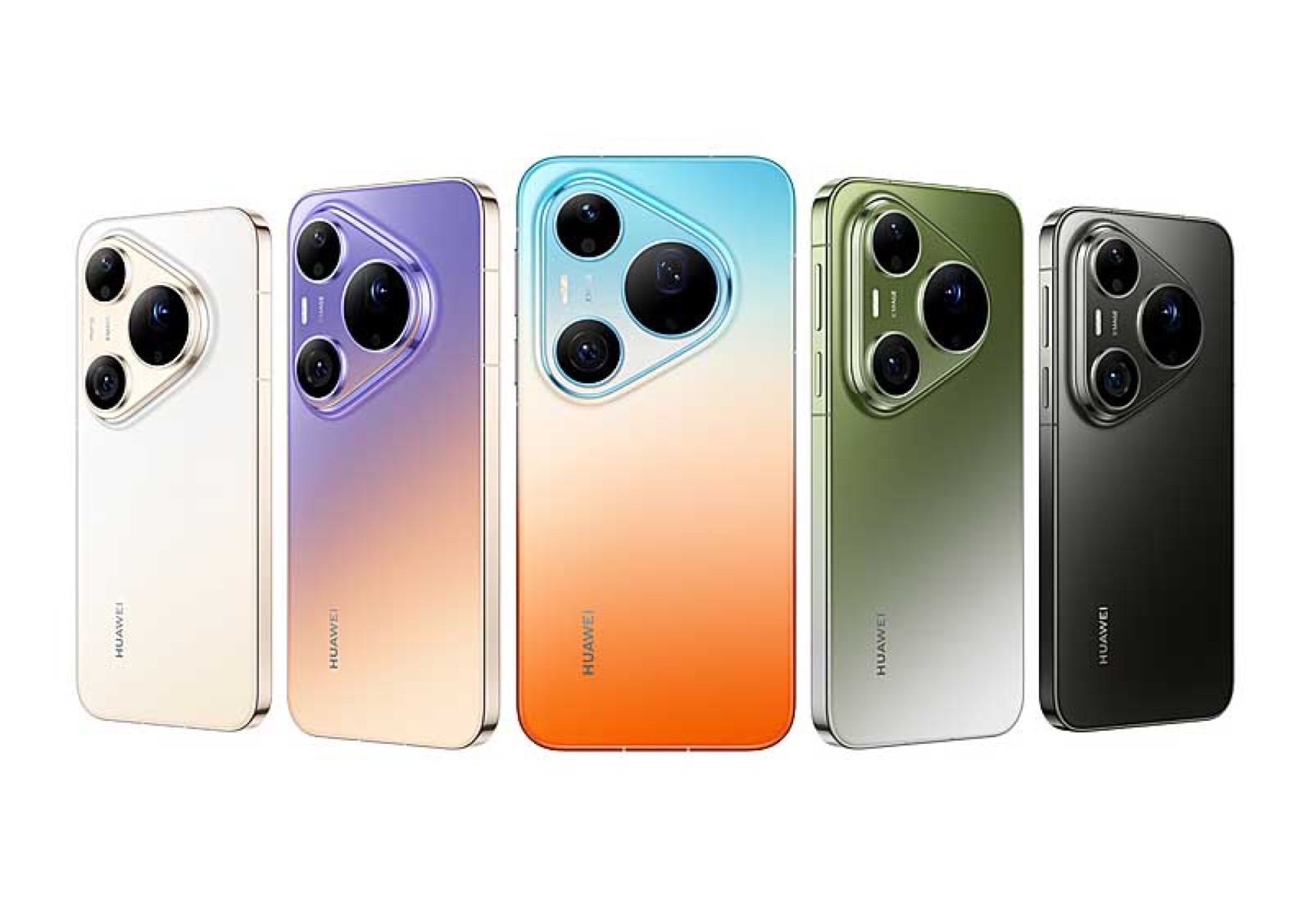
- Huawei Pura 90 Pro Max ($1,200) — Flagship-tier Leica camera system with a strong photography heritage, ideal for portrait-heavy Instagram content.
- Samsung Galaxy S26+ ($1,099) — Slightly smaller than the Ultra but shares the same chipset; a solid step-down option for Samsung fans.
- Honor Magic8 Pro ($850) — Offers strong camera performance from the Honor lineup at a more accessible price for mid-range buyers looking for flagship camera quality.
Frequently Asked Questions
Does TikTok or Instagram compress video quality?
Yes, both platforms compress uploaded video. However, shooting in 4K gives you more headroom before compression visibly degrades quality. Even after compression, 4K source footage typically looks better on-screen than footage shot at 1080p. Shooting in 10-bit or LOG formats doesn't help much here — these platforms don't support that color depth in playback, but the extra data can help during on-device editing.
Is the front camera or rear camera more important for TikTok?
For most TikTok content — dance, reaction, talking-head, and lifestyle videos — the front camera sees more use. A strong front camera (at least 20MP with OIS) will directly impact daily content quality. For travel or food content, rear camera quality and zoom flexibility matter more.
Do I need a phone with 8K video for social media?
Not really. Both TikTok and Instagram top out at much lower bitrates for final playback. The practical value of 8K for social media creators is in post-production flexibility — you can crop in, pan, or zoom digitally without visible quality loss. For most creators, 4K@60fps is the sweet spot.
What's the minimum spec I need for decent TikTok video?
As a baseline: 4K video recording, OIS on the rear camera, and at least a mid-range chipset from 2024 or newer. Under $300, quality drops noticeably — but there are still workable options if you check TelefoneArena's budget phone category for phones that hit these minimums.
Is the Samsung Galaxy S26 Ultra better than the iPhone 17 Pro Max for Instagram?
On paper, for Instagram specifically, both are exceptional. The S26 Ultra has a higher megapixel count (200MP vs 48MP) and shoots 8K, which gives more cropping flexibility for posts. The iPhone 17 Pro Max has better Dolby Vision video and generally a more natural selfie output. The real answer depends on whether you're iOS or Android — both ecosystems have excellent editing apps. Use TelefoneArena's phone compare tool to put them side by side.
Which phone has the best front camera for TikTok selfies in 2026?
Based on listed specs, the Google Pixel 10 Pro XL's 42MP front camera is the highest-resolution selfie shooter in this roundup. The Xiaomi 17 Ultra and Oppo Find X9 Pro both feature 50MP front cameras. The iPhone 17 Pro Max's 18MP front camera produces polished results thanks to Apple's image processing, even if the megapixel count is lower.
Final Verdict: The Best Phone for TikTok and Instagram in 2026
The Samsung Galaxy S26 Ultra is our top pick overall for TikTok and Instagram content creation in 2026. Its combination of a 200MP rear camera, 8K video, Snapdragon 8 Elite Gen 5 performance, and Horizon Lock stabilization makes it the most well-rounded choice for creators who want one phone that handles everything.
If you're on iOS, the Apple iPhone 17 Pro Max is unmatched in its ecosystem — ProRes RAW, Dolby Vision, and Apple's video processing pipeline are best-in-class for cinematic social content.
For the highest pure camera score, the Xiaomi 17 Ultra leads the field with a DxOMark of 170, a 1-inch sensor, and Leica optics.
On a tighter budget, the Google Pixel 10 Pro XL at $1,100 delivers a DxOMark score of 165, a 42MP selfie camera, and Google's AI-powered photography suite — arguably the best value camera phone of the year.
Not sure which one is right for you? Browse the full camera phone category on TelefoneArena, or let the AI Phone Recommender match you with the right device based on your budget, use case, and preferences.